





Permacore®
Product Documents
-
 PDF
PDF Permacore® Brochure
7.02 MB -
PDF
Permacore® 宣传册(中文版)
7.41 MB -
PDF
Carpark Typical Design
0.09 MB -
PDF
Driveway Typical Design
0.08 MB -
PDF
Footpath & Cycleway Typical Design
0.08 MB -
PDF
Light Duty Road Typical Design
0.1 MB
Sustainable Drainage with No-Fines Concrete

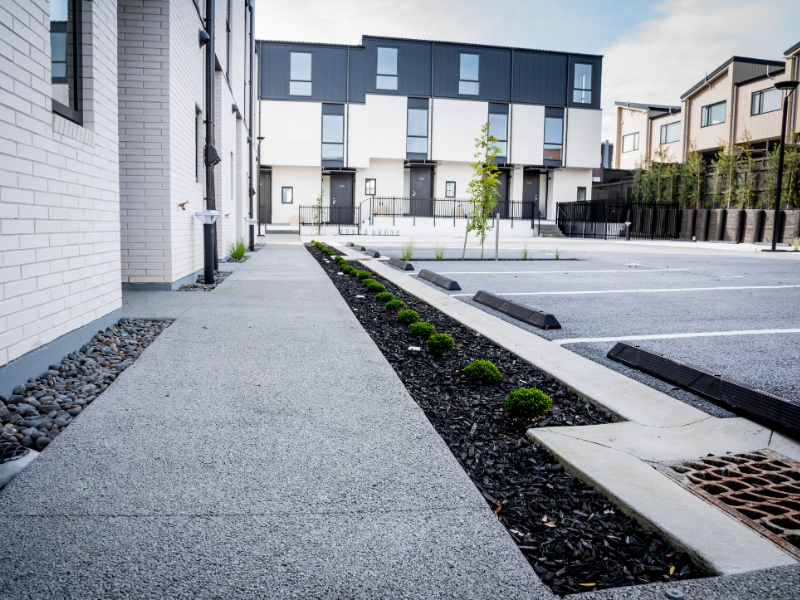
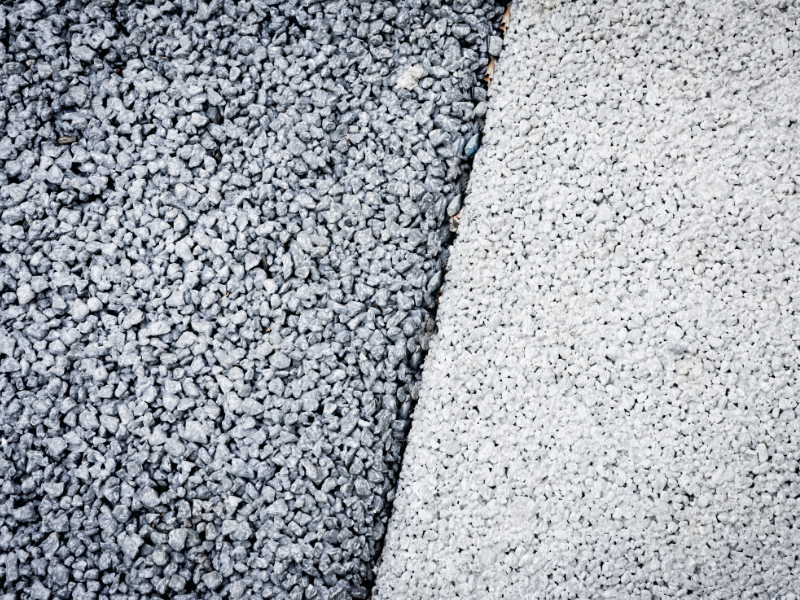
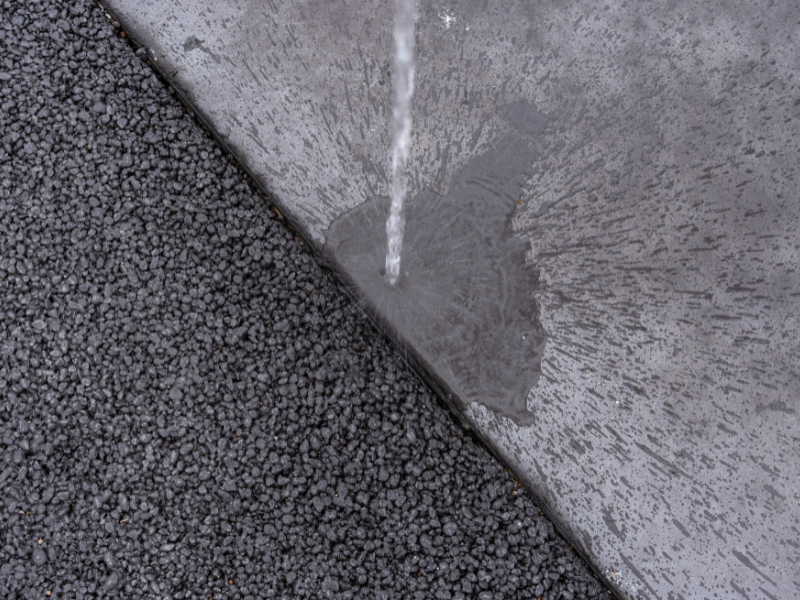
Permacore® (also known as permeable concrete, no‑fines concrete, pervious concrete, porous concrete, or permeable paving concrete) is a high‑void concrete mix engineered to improve storm‑water management and reduce surface flooding. With an air‑void content of 15–25 %, this specialised mix allows water to flow directly through its porous structure, preventing runoff and supporting natural groundwater recharge.
How Permacore® Works
A system, not just a surface
Permacore® is a permeable concrete system designed to allow water to pass directly through the concrete surface and into a prepared drainage layer below. Instead of creating runoff, rainwater is absorbed through the pavement structure, helping reduce surface ponding and easing pressure on traditional stormwater infrastructure.
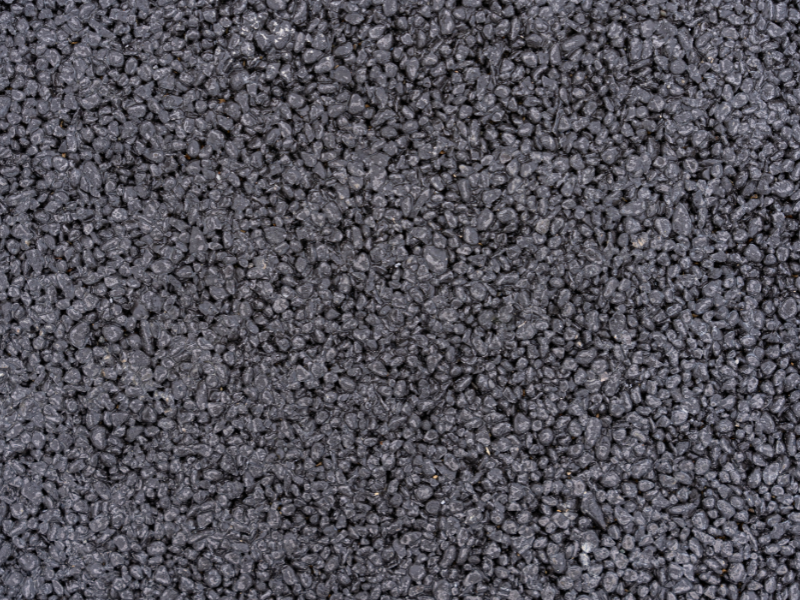
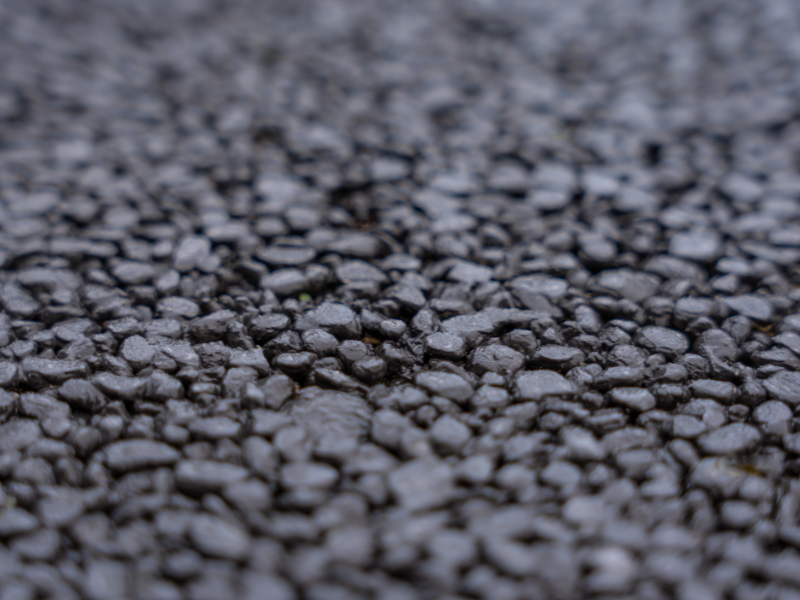
Its open-void structure creates interconnected spaces within the concrete, allowing water to infiltrate naturally while still providing a durable and practical surface for suitable applications.
Benefits of Permacore®
Where Permacore® Performs Best
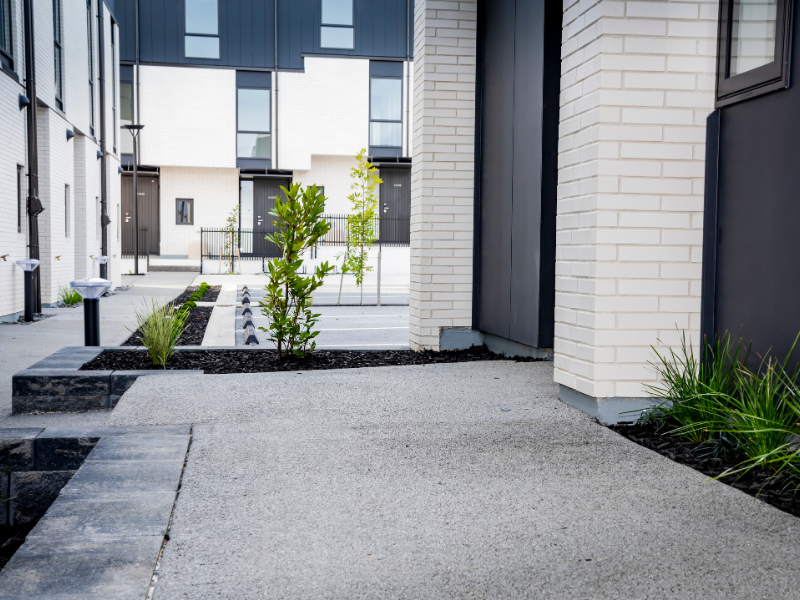
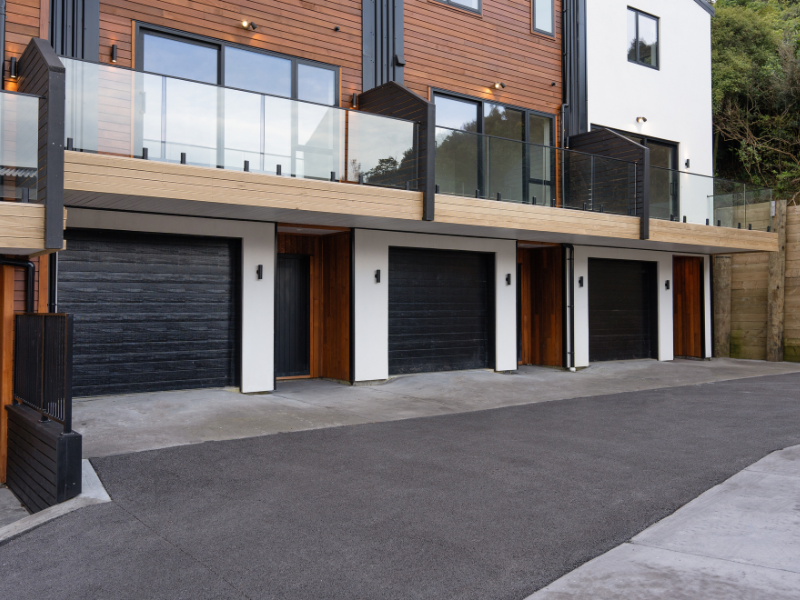
- Driveways
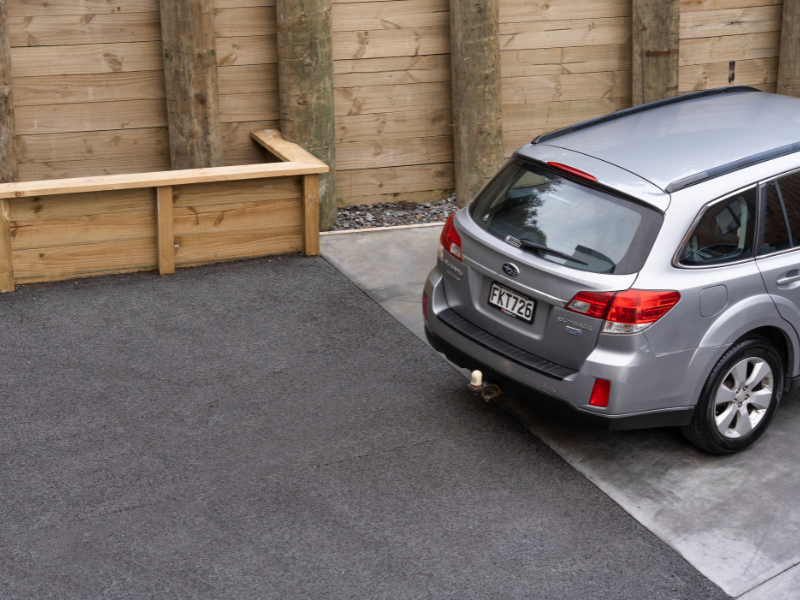
- Car parks
- Footpaths and walkways
- Landscaping and outdoor areas
- Tree surrounds and urban spaces
- Low traffic pavements
Preparation Matters
Permacore® performance starts well before the concrete is placed. Like any permeable concrete system, the subgrade and basecourse play a critical role in ensuring water can move freely through the surface and into the drainage layers below.
A properly prepared system helps maintain permeability, supports long-term durability, and reduces the risk of surface ponding or premature failure.
Key Preparation Considerations
- Use a free-draining, open-graded aggregate basecourse rather than standard GAP materials
- Ensure the subgrade is stable, level, and suitable for infiltration or managed drainage
- Install geotextile fabric where required to help prevent contamination of the drainage layers
- Design the system to suit site conditions, expected traffic loads, and drainage requirements
Placing, Curing & Testing
- Correct Placement for Optimal Performance – Permeable Concrete is delivered ex truck and requires compaction with a roller or plate compactor to achieve a strong bond between the paste and aggregate. Careful compaction is essential to maintain porosity while ensuring durability.
- Curing to Prevent Drying & Improve Strength – Due to its high surface exposure, Permeable Concrete is susceptible to drying out. Immediate curing is required after compaction, typically by covering with plastic sheeting or applying curing compounds. A minimum curing period of 7 days is recommended to aid strength development.This helps prevent dusting on the surface.
- Testing for Quality Control – Traditional slump testing is ineffective for Permeable Concrete due to its low workability. Instead, density and void content are key quality indicators. Testing follows the NZS 3111 Section 10 method for determining unit mass and void content of aggregate.Remember subgrade preparation (outside of the concrete) is critical for great outcomes.
Maintenance for Permacore®
Permacore® is designed to manage water through the surface and into the ground below. To maintain long-term permeability and performance, regular maintenance is important to prevent dirt, sediment, and organic material from blocking the surface voids.
Simple routine maintenance can help keep the system performing as intended for years to come.
Recommended Maintenance
- Sweep or blow off leaves, dirt, and debris regularly
- Prevent soil, sediment, and construction material from washing onto the surface
- Avoid stockpiling sand or fine materials on Permacore surfaces
- Periodically clean the surface where required
If drainage performance reduces over time, permeability can typically be restored through cleaning methods such as pressure washing and/or vacuum cleaning.
Concrete Design Support with DesignHub

Planning with Permeable Concrete? Our DesignHub team can support your project with practical design advice, mix specifications, and stormwater-focused solutions to ensure performance on site.
From layout guidance and base preparation through to cross-section design and permeability performance, we help you get it right from the start.
Expect an initial response within 1 business day, with completed support typically delivered within 3-5 working days once all project details are received. To get started, submit your request via the DesignHub Get Started page and our team will be in touch.
Submit Your Project for Early Review
Ready to Specify Permacore®, Permeable Concrete?
Our nationwide network ensures consistent quality and on‑time delivery. Reach out to our concrete specialists for design assistance, technical data, or a fast, obligation‑free quote.
Gallery

Frequently asked questions
What is Permeable Concrete?
Permeable concrete is a specially designed no‑fines mix that allows water to pass through its highly interconnected voids, providing sustainable drainage and reducing storm‑water runoff compared with standard concrete.
How does Permeable Concrete help with storm‑water management?
By allowing rainfall to infiltrate the ground, permeable concrete limits surface ponding, reduces peak‑flow volumes entering council infrastructure, and assists with groundwater recharge. This can defer the need for costly detention tanks or enlarged pipes.
Where can Permeable Concrete be used in New Zealand?
Typical applications include footpaths, retaining walls, cycleways, car‑park stalls, driveways, patio areas, and tree surrounds. Contact our team to receive advice on your project.
What maintenance does Permeable Concrete require?
Routine sweeping and occasional low‑pressure water blasting keep voids clear of silt and organic debris. For high‑traffic zones, annual vacuum‑suction cleaning is recommended.
How durable is Permeable Concrete compared to standard concrete?
When correctly designed and maintained, permeable concrete offers comparable service life in low‑speed environments. Its compressive strength (10-15 MPa) suits light‑vehicle, pedestrian and landscaping loads.
Is Permeable Concrete compliant with local council requirements?
Allied Concrete designs mixes that meet regional water‑quality objectives and relevant NZS 3104 performance criteria. Our team can provide test certificates and design support for building‑consent submissions.
Other Related Products
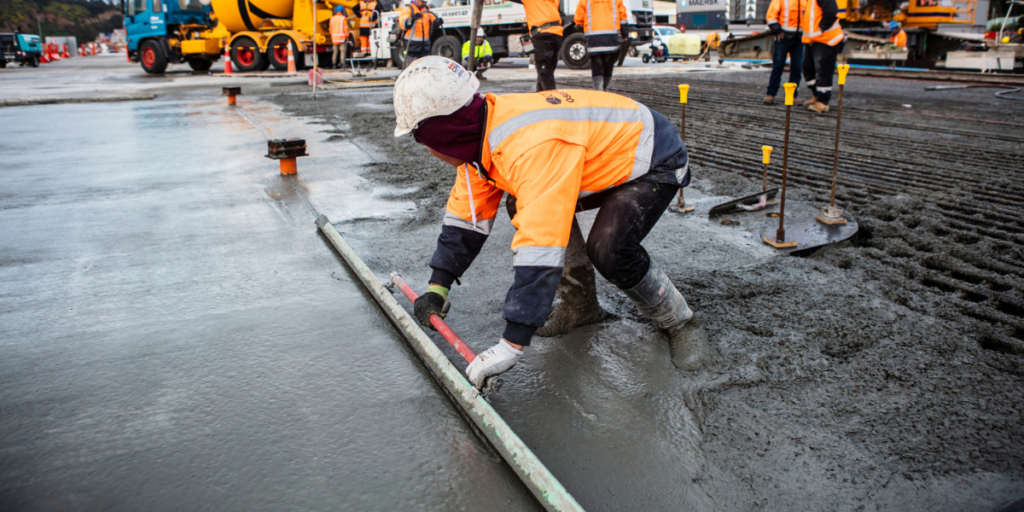
Shotcrete
Shotcrete is a high-performance sprayed concrete ideal for complex shapes, tunnelling, slope stabilisation, and fast, form-free structural applications.

Mass Pour
Mass Pour is a flowable, low-strength concrete mix designed for fast, efficient trench backfilling and utility applications.
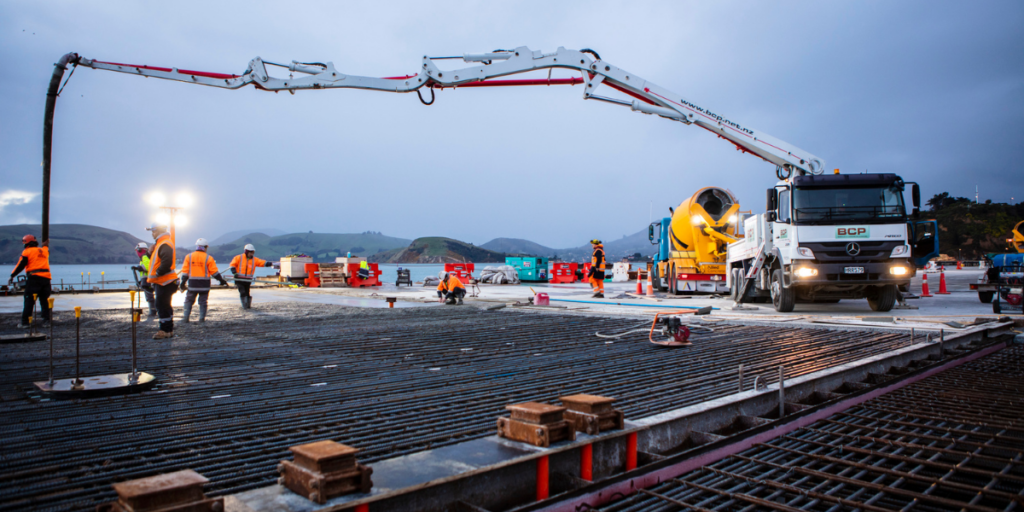
Engineered Concrete Solutions
High Strength Concrete delivers superior strength and durability, ideal for demanding structures and heavy-duty applications.
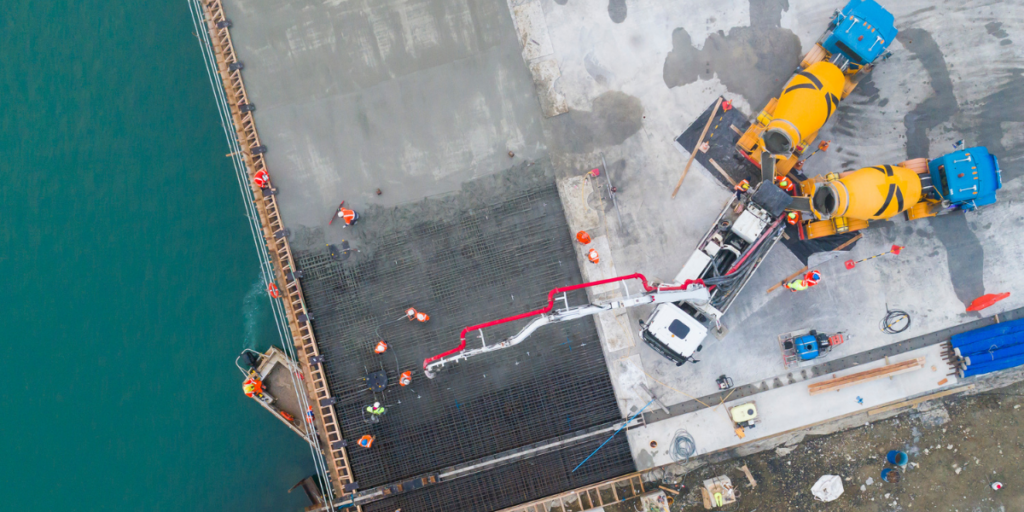
Waterproof Concrete
Waterproof Concrete is a durable, low-permeability mix engineered to resist moisture, reduce cracking, and protect water-retaining structures.
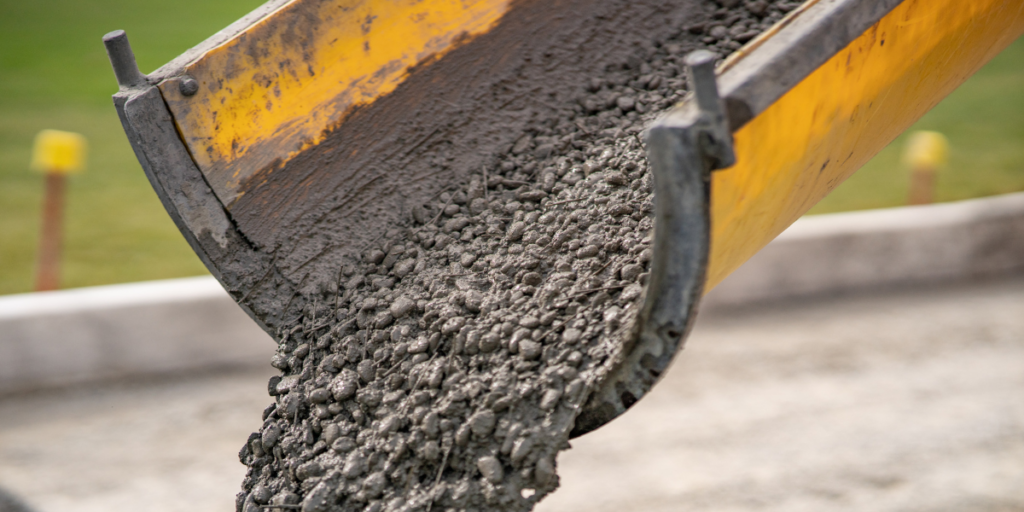
Ready Flow
Ready Flow is a self-compacting concrete that flows easily into place without vibration, perfect for complex formwork and tight reinforcement…